Why Choose Metal Shelving for Your Warehouse?

Time:2026-09-11 Author:Sophia
0%

Modern warehouses face constant pressure to store more inventory without slowing retrieval. MHI’s 2024 Annual Industry Report identifies labor availability, productivity, and supply-chain resilience as continuing operational priorities. That context makes Metal Shelving worth serious consideration. It offers adjustable levels, visible stock access, and strong support for cartons, parts, tools, and packaged goods. A worker can locate a labeled bin quickly, rather than moving several pallets first. Small details matter.

Metal Shelving is not automatically the best answer. Warehouse managers must match shelf depth, beam capacity, aisle width, and floor conditions to actual inventory. OSHA’s Materials Handling and Storage guidance emphasizes stable storage, safe stacking, clear aisles, and respecting equipment load limits. These principles should guide every layout decision, not merely satisfy an inspection checklist. Shelving that looks robust may still fail when loads are uneven or poorly distributed.

Steel also supports long-term planning. The World Steel Association describes steel as one of the world’s most recycled materials, supporting a more circular material strategy when products reach the end of service. However, sustainability depends on purchasing durable systems and maintaining them properly. Rust, bent uprights, missing labels, and overloaded shelves create avoidable risks. They also reduce usable capacity.

The strongest case for Metal Shelving comes from practical experience: flexible storage, straightforward inspection, and easier stock visibility. Yet every facility differs. A careful audit of SKU sizes, handling methods, growth forecasts, and worker movement should come before installation. Efficiency is possible. It is not automatic.
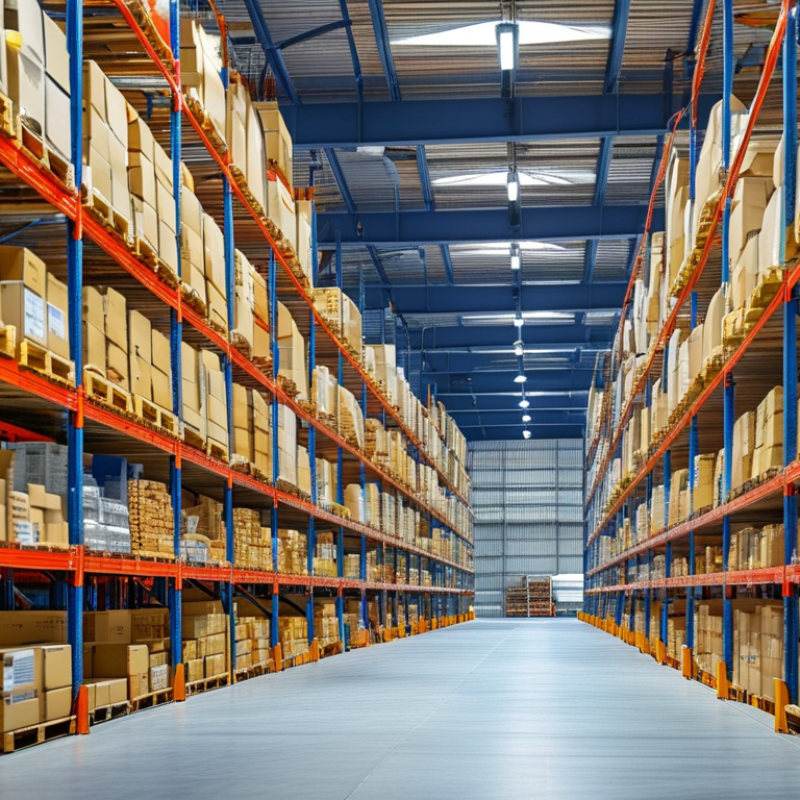
Why Choose Metal Shelving for Your Warehouse?

What Metal Shelving Is and How It Supports Warehouse Storage

Metal shelving is a storage system made from steel or other durable metal components. Upright frames hold horizontal shelves, creating open levels for cartons, bins, tools, or spare parts. Most units use adjustable beams or clips, so shelf height can follow changing inventory. This simple structure matters in a busy warehouse. Workers can see labels without opening a cabinet. Air also moves around stored goods. Strong, practical, visible. Some systems use wire decking, while others use solid panels. The choice depends on item size, cleanliness needs, and handling methods. Steel can resist daily impacts better than many lighter materials, but it is not indestructible. Poor loading can bend shelves or loosen connections.

In practice, metal shelving supports storage by using vertical space efficiently. A warehouse team can place slow-moving cartons higher and frequently picked items near waist height. This reduces unnecessary walking and awkward reaching. Adjustable levels also help when product dimensions change. A 30-centimeter box and a tall container do not need the same clearance. Careful planning prevents wasted air above each shelf. Load capacity requires more than a number on a specification sheet. Managers should check evenly distributed weight, floor condition, shelf span, and connection methods. Heavy items belong on lower levels. Clear aisles matter too. A shelf may fit physically but still restrict forklifts or emergency access.

Reliable storage also depends on routine inspection. Look for rust, bent uprights, missing clips, and overloaded levels. Keep labels visible and avoid placing unstable cartons near edges. Staff should understand rated capacity and report damage immediately. Training is practical, not decorative. Metal shelving supports order, but it cannot repair poor inventory habits. An honest review may reveal unused levels, confusing labels, or shelves chosen too deep. Those details often cost more time than the equipment itself. Measure the aisle, test a typical picking route, and revise the layout when real work exposes a flaw.

Key Materials, Designs, and Load-Bearing Features

Metal shelving remains a practical warehouse choice because steel offers predictable strength, repairability, and long service life. Common options include carbon steel for general storage, galvanized steel for humid areas, and stainless steel for strict hygiene zones. Material selection matters. A cheaper finish may rust near loading doors, where rainwater and temperature changes are common.

Design determines how safely that strength is used. Boltless shelving supports fast reconfiguration, while riveted frames reduce loose hardware during repeated handling. Adjustable beams help match shelf height to cartons, reducing wasted vertical space. OSHA reports about 85 forklift-related fatalities and 34,900 serious injuries annually in the United States. Clear aisles, protected uprights, and visible load labels therefore matter as much as shelf material. Small details matter.

Load-bearing claims require careful review. The rated capacity should state the load per shelf, bay, and frame, under evenly distributed weight. Point loads from steel parts or dense containers can behave differently. ANSI MH16.1 guidance emphasizes engineered design, connection strength, and safe load communication. In practice, warehouse teams should inspect bent beams, missing clips, and floor unevenness regularly. MHI’s 2024 Annual Industry Report, based on over 1,000 supply-chain professionals, identifies labor pressure and efficiency as major investment drivers. That pressure can encourage overloading or rushed installation. A stronger rack is not automatically a safer rack. Load testing and documented inspections still deserve attention.

How Metal Shelving Improves Space Utilization and Organization

Why Choose Metal Shelving for Your Warehouse?

Metal shelving improves space utilization by using vertical height, not just floor area. Adjustable levels can hold cartons, tools, and spare parts within clear reach. In warehouse layout reviews, this simple flexibility often exposes wasted gaps above stored products. Strong steel frames also support consistent loading, but every shelf needs a verified capacity label. Overloading is not organization. It is a safety risk.

The 2024 MHI Annual Industry Report identifies technology investment as a major supply chain priority, with 55% of respondents reporting increased investment. The 2023 Zebra Warehousing Vision Study found that 58% of warehouse decision-makers planned RFID deployment by 2028. Metal shelving supports these systems by creating visible, stable locations for labeled bins and inventory tags. It is not magic. Poor aisle planning still creates congestion, especially near packing stations. Measure walking routes before adding more shelves.

Tips: Keep frequently picked items between knee and shoulder height. Leave enough clearance for carts and safe turning. Use adjustable shelves for changing stock sizes. Inspect bolts, uprights, and shelf decks regularly. Corrosion matters in humid areas. Paint alone may not solve it. Track actual load weights, then revise the layout when demand changes.

Safety, Durability, and Maintenance Considerations

Metal shelving is a practical choice for warehouses facing daily loading, movement, and dust. In my experience, steel shelves feel stable when properly anchored and evenly loaded. Their rigid frames reduce wobbling around forklifts and hand trucks. Safety starts with design, not just material. Select shelves with suitable load ratings, upright protection, and secure locking connections. Keep aisles clear, and inspect bent beams immediately. A small defect can become a serious failure.

Quality metal shelving can serve for years, but it is not maintenance-free. Powder-coated or treated surfaces resist scratches, moisture, and ordinary warehouse grime. Still, exposed steel may rust when condensation sits on it. Wipe spills quickly and check lower levels, where water and pallets often hide problems. Tighten loose fasteners according to installation guidance. Replace damaged components rather than straightening them by force. I have learned that rushed repairs save minutes and create uncertainty later. Load limits also deserve regular review when inventory changes.

Tips:

Mark each shelf’s maximum load clearly. Store heavier cartons at waist height or lower. Use mesh panels or back stops where items could slide. Schedule a monthly visual inspection and record findings. Train workers to report impact damage, even when the shelf still looks usable. A checklist helps. It is easy to overlook quiet, gradual wear.

Choosing the Right Metal Shelving for Warehouse Operations

Why Choose Metal Shelving for Your Warehouse?

Choosing the Right Metal Shelving for Warehouse Operations

Choosing metal shelving starts with the work, not the appearance. Steel frames handle repeated loading, daily movement, and occasional impacts better than many lightweight alternatives. Measure twice. A shelf that fits cartons may block forklifts, emergency paths, or access to electrical panels.

Check the load rating for each shelf level, not only the entire unit. Stored weight should remain below the rated capacity with a sensible safety margin. Adjustable beams help when inventory changes, but loose connections create unnecessary movement. Select shelves with reinforced corners, stable feet, and surfaces that suit your products. Smooth panels work for boxed goods. Open-wire decks improve visibility and air circulation.

Warehouse conditions also affect the choice. Humid areas may need corrosion-resistant finishes, while dusty spaces require simple cleaning access. Dust matters. During a storage review, I once found a well-sized rack that failed operationally because workers could not reach the rear cartons safely. The design looked efficient on paper, but the aisle was too narrow. That mistake stayed with me.

Inspect shelving regularly for bent uprights, missing fasteners, and overloaded levels. Keep heavier goods low, and label maximum loads clearly. Training should include safe stacking height and proper access equipment. Even experienced teams make errors during busy shifts, especially after product changes. A practical layout leaves enough room to work without forcing people to improvise.

Why Choose Metal Shelving for Your Warehouse? - Choosing the Right Metal Shelving for Warehouse Operations

Selection Dimension Typical Metal Shelving Specification Operational Benefit Best-Fit Warehouse Use Important Selection Consideration
Load Capacity Approximately 150–1,000 kg per shelf, depending on shelf design, span, beam profile, and load distribution Supports organized storage of cartons, spare parts, tools, containers, and other industrial inventory General storage, maintenance areas, parts rooms, and order-picking zones Check the manufacturer’s rated capacity and keep loads evenly distributed across the shelf
Material Construction Commonly formed from cold-rolled or galvanized steel with steel uprights, beams, panels, or wire decks Provides high structural strength, dimensional stability, and resistance to everyday warehouse wear Medium-duty and heavy-duty storage environments Choose the steel thickness and frame profile according to the expected load and storage frequency
Shelf Adjustability Many systems use boltless clips or slotted uprights with shelf-level increments of about 25–50 mm Allows shelf heights to be reconfigured as product sizes and inventory requirements change Warehouses with mixed product dimensions or frequently changing stock profiles Confirm that every shelf is securely seated and that adjustment does not exceed the system’s design limits
Storage Density Vertical configurations commonly range from 1.8–3.0 m in standard warehouse applications Uses available vertical space and can increase storage capacity without expanding the floor footprint Facilities with limited floor area and moderate ceiling height Measure ceiling clearance, sprinkler clearance, lighting access, and aisle requirements before installation
Surface Finish Powder-coated, painted, or galvanized finishes are commonly available Improves corrosion resistance, cleanability, and visual consistency in the storage area Indoor warehouses, workshops, semi-humid areas, and selected outdoor applications For damp or corrosive environments, select a finish specifically rated for the exposure conditions
Shelf Type Solid steel panels, perforated panels, wire decking, and composite shelf inserts Offers flexibility for different product weights, ventilation needs, and cleaning requirements Carton storage, small-parts storage, packaged goods, and maintenance inventory Wire decks improve visibility and airflow; solid shelves are better for small items and loose components
Durability Steel shelving is non-combustible and generally resistant to impact, abrasion, and repeated handling Reduces replacement frequency and helps maintain stable storage performance over time Busy warehouses, workshops, stockrooms, and industrial service areas Inspect for bent frames, damaged coatings, loose connectors, and overloaded shelves during routine checks
Installation Method Boltless units can often be assembled with basic hand tools; bolted systems provide fixed structural connections Supports faster installation or a more permanent layout, depending on operational needs Boltless: flexible storage areas; bolted: fixed heavy-duty installations Follow the assembly instructions and install suitable anchoring where stability or local regulations require it
Accessibility Open-front designs provide direct access from the aisle; labeled bins and dividers can be added Improves picking speed, stock visibility, and inventory organization Hand-picking operations, maintenance parts, e-commerce fulfillment, and kitting areas Balance shelf height and aisle width with worker reach, equipment movement, and ergonomic requirements
Space Efficiency Single-sided units can be placed against walls; double-sided units can serve both sides of an aisle Allows the storage layout to be adapted to wall space, aisle patterns, and workflow direction Small stockrooms, distribution warehouses, and segmented storage zones Plan aisle widths according to manual handling methods and any equipment used in the area
Maintenance Requirements Routine visual inspections, cleaning, connection checks, and damage reporting are typically sufficient Helps preserve load performance, safety, and appearance with relatively low ongoing maintenance Most indoor warehouse operations Replace damaged structural components rather than attempting unauthorized repairs or modifications
Safety Features Optional back panels, side panels, shelf lips, dividers, anti-tip devices, and floor anchors Helps control loose items, reduce falling-object risk, and improve overall stability High-traffic aisles, tall shelving layouts, and areas storing small or unstable products Use safety accessories appropriate to shelf height, load type, seismic conditions, and site regulations
Scalability Modular components can be expanded, reconfigured, or combined with bins and cabinets Allows storage capacity to grow with inventory volume and operational changes Growing businesses, seasonal stock areas, and warehouses with changing product ranges Use compatible components and maintain consistent load ratings throughout the configuration
Total Cost of Ownership Usually includes frames, shelves, accessories, delivery, installation, anchoring, and future reconfiguration Highlights the long-term value of durable, reusable, and adjustable storage equipment Operations seeking a balance between initial investment and long-term flexibility Compare complete system costs and capacity rather than evaluating the purchase price of shelves alone

Note: Capacity ranges and dimensions are typical industry values. Always verify the rated capacity, installation requirements, and applicable safety regulations for the specific shelving system and warehouse environment.

FAQS

: What is metal shelving?

: Metal shelving uses steel frames, beams, and shelves to store cartons, bins, tools, and spare parts. It creates open storage levels. Workers can see labels quickly.

How does metal shelving improve warehouse space?

It uses vertical space efficiently and reduces wasted air above stored items. Slow-moving cartons can stay higher. Frequently picked items should remain near waist height.

Can shelf heights be adjusted?

Yes. Many systems use adjustable beams, clips, or boltless connections. A 30-centimeter box needs less clearance than a tall container. Adjust the levels when inventory changes.

Which metal is suitable for warehouse shelving?

Carbon steel suits general storage. Galvanized steel performs better in humid areas. Stainless steel may suit strict hygiene zones. A cheaper finish can rust near loading doors.

What affects shelving load capacity?

Load capacity depends on shelf span, floor condition, connections, and weight distribution. The stated rating usually assumes evenly distributed weight. Dense parts can create dangerous point loads.

Where should heavy items be placed?

Store heavy items on lower shelves. This improves stability and reduces awkward lifting. Do not trust one capacity number blindly.

How can workers keep shelving safe?

Inspect uprights, beams, clips, shelves, and floors regularly. Look for rust, bending, missing clips, or overloaded levels. Report damage immediately.

What warehouse layout details matter?

Keep aisles clear for workers, equipment, and emergency access. Measure the aisle before installation. Test a real picking route.

Is stronger shelving always safer?

No. Stronger shelving cannot correct poor loading or rushed installation. A shelf may fit physically but still restrict movement. Real conditions deserve another review.

Conclusion

Metal Shelving is a practical storage solution designed to help warehouses organize products efficiently while making better use of available space. Built from durable materials such as steel, it can be configured with adjustable shelves, reinforced frames, and different levels of load capacity to support a wide range of inventory. Its open design allows workers to see, access, and manage stored items more easily, while vertical storage helps reduce floor congestion and improve workflow.

When selecting Metal Shelving, warehouse operators should consider the weight, size, and turnover rate of their goods, as well as the available room layout. Safe installation, evenly distributed loads, stable positioning, and clearly defined weight limits are essential for reliable operation. Regular inspections and simple maintenance, including checking connections and cleaning surfaces, can extend service life and preserve performance. The right shelving system should balance strength, flexibility, safety, and accessibility to meet both current and future storage needs.

Sophia

Sophia

Sophia is a dedicated marketing professional with an exceptional depth of knowledge about her company's products and services. With a keen understanding of market trends and customer needs, she crafts insightful blog posts that not only inform but also engage readers, enriching the company’s online......